


Otitis externa in dogs, cats and rabbits: recognizing it, in order to better control it
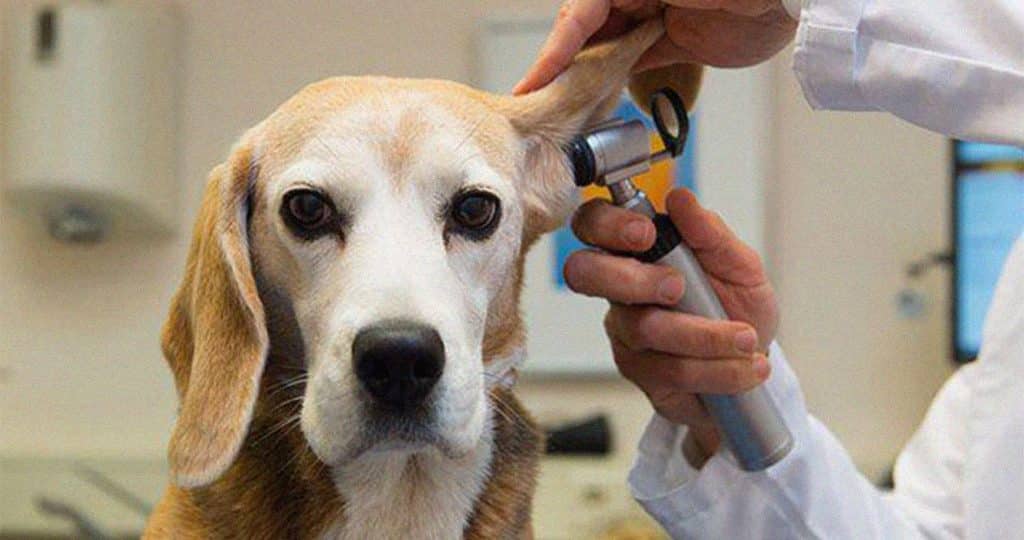
Does your pet scratch his/her ears, shake his/her head, or hold his/her head in an unusual way? That should set alarm bells ringing in your own ears, and lead you to consult your vet without delay because it is highly likely to be otitis. A detailed clinical examination will determine the severity of the problem. How does otitis present? Label 1:ear of a dog/cat/rabbit Otitis externa consists of an inflammation of the external ear canal as far as the eardrum, accompanied by severe itching, pain, which can be sharp and the presence of an unusual discharge or brown secretions at the opening of the canal, sometimes associated with a rancid smell. Otitis media affects the auditory bullae, and may be accompanied by otitis externa. The animal shakes his/her head, holds it at a tilt, scratches the base of his/her ear, or moans when it is touched. Signs of inflammation in the ear, nose and throat (ENT) region or neurological problems may be observed. Otitis interna, which is rarer, affects the vestibular system or the auditory nerve, and can lead to deafness or disorders of balance. What are the main causes of otitis externa? There are 4 main primary causes: Allergies (atopy, food allergies) Parasites (“ear mites”) Foreign bodies (grass seeds) Excess earwax caused by a dysfunction of the natural cleaning of the ear canal There are some predisposing factors, such as certain anatomical features related to breed: numerous hairs in the ears (Poodle, etc.), hanging, poorly “ventilated” ears (Cocker Spaniel, Setter, lop rabbit, etc.), narrow ear canal (Shar-Pei, etc.), or dogs with a tendency to suffer from atopy (French Bulldog, Westie, etc.). In these animals, recurrence is often common, increasing the risk of complications. What are the complications of recurrent otitis? When otitis recurs, the balance of the flora in the ear canal is disrupted, so bacteria and yeasts that live there multiply abnormally, causing an infection of various severity. In the event of recurrence, the lining of the canal tends to thicken (sometimes to the point of almost complete obstruction = stenosis), causing poorer ventilation, favouring the abnormal multiplication of organisms, creating a vicious circle. The later the condition is treated, the greater the risk of complications from otitis externa to otitis media. What is the treatment, and how to limit the risk of recurrence? The management of otitis externa requires local treatments, which involve both cleaning with a suitable product and a targeted treatment of the cause. In the event of recurrent otitis, the veterinarian may sometimes perform a thorough flushing or cleansing of the canal, in order to remove excess earwax and cellular debris. This will increase the efficacy of the treatment (antibiotic, antifungal, anti-inflammatory, etc.), administered in accordance with the veterinarian’s recommendation. If the canal becomes thickened, systemic treatment (antibiotics and/or anti-inflammatory agents) or even surgery may be indicated. Regular maintenance of ear canals with a suitable, effective yet mild enough cleanser helps to prevent recurrence. Dr. Isabelle Mennecier, veterinarian DERMOSCENT® Selection
Bathing your cat or dog: lather them up!
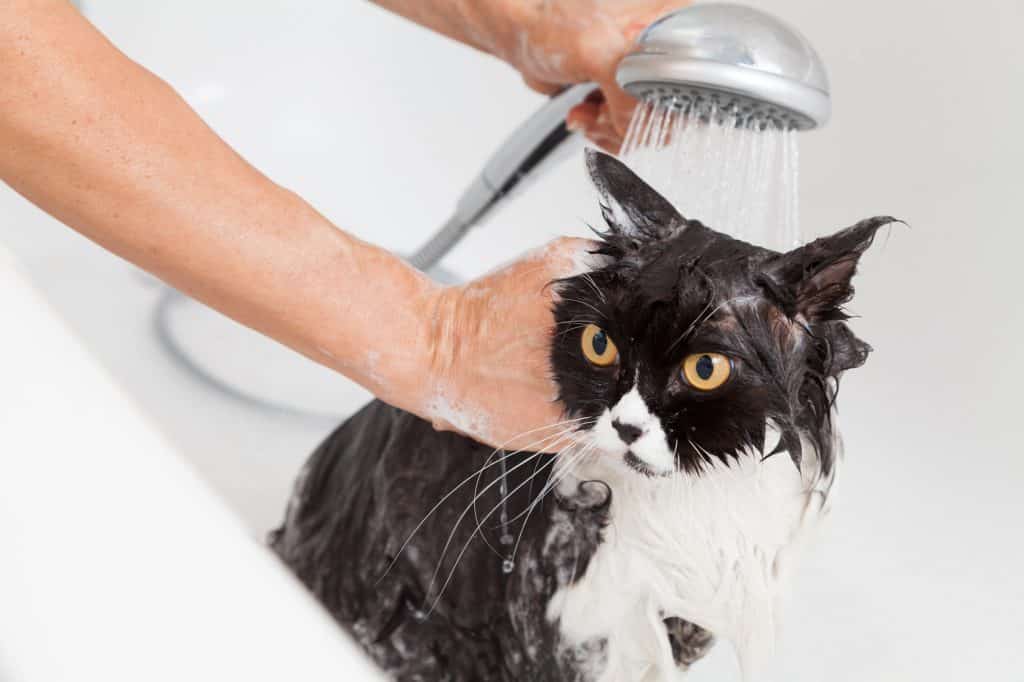
Cats and dogs are faithful companions who share our lives and are part of our family. We pay special attention to our animals, not just for their health but also for a more harmonious cohabitation without bad odors and other hygiene problems. Therefore, bathing your cat or dog should be part of their regular routine. But at what age should you give them their 1st bath and how often from then on? Which products should I use to cleanse them and how should I do it? Follow our guide! Good hygiene practice for your animal Bathe your cat or dog from a young age Contrarily to what is generally believed, your pet’s bath is necessary (even for cats) to maintain the beauty of the coat and the skin health. Start at the earliest, from the age of 3 months, to accustom the pet and facilitate the operation beneficial to him. Bathing frequency Cats clean themselves every day by licking and grooming but despite this, you may need to give them a bath if their coat gets dirty (obesity, old age, etc.). For dogs, bathing should be more regular. On the contrary, bathing too frequently with unadapted shampoo can also be harmful: irritation, itching, etc. Therefore, it is necessary to look for a good equilibrium: On average, once a month for pets without any particular dermatological problem If your pet has a skin problem, it is recommended to consult your veterinarian who can prescribe for you, among other things, a specific shampoo perfectly adapted for your pet to apply once or twice a week, for example. Good to know: If you have the habit of bathing your pet whose skin is dry or allergic, pay attention to the temperature of the water. Heat may increase the dryness of the skin and reactivate inflammation. Bathing your cat or dog: get organized To make bathing your pet a real pleasure or even a fun thing to do, you need to: Prepare the things you need (shampoo, towels, etc.) and find a suitable place: outdoors on a nice day, indoors in a bathtub or shower using a rubber mat to prevent the animal from slipping. Brush the coat first to remove knots and wet the animal with water at a temperature below 36°C before applying the shampoo. Start by lathering from the back down to the legs. Massage the skin against the direction of the hair growth. Avoid contact with eyes, ears and snout. Leave the shampoo on for at least 2 minutes. Play with your pet so that it doesn’t become impatient. Rinse the animal from top to bottom, gently lifting the fur. You must be careful to ensure you don’t leave traces of shampoo on the skin of the animal, which could lead to itching. Dry with a towel first and then let dry naturally or use a hair dryer. The hair dryer should be kept away from the animal and used at a low temperature. The choice of the shampoo Shampoo is intended to cleanse, eliminate bad odors and make the animal’s coat shine. Take the skin and hair type into account while choosing one. Some may have oily skin and others dry skin. For the most sensitive skin, it is recommended to apply a moisturizing cream on a perfectly dried skin after bathing. In the case of skin problems (itching, skin infections, parasites, etc.), your veterinarian is the right person to advise you a specific shampoo for your pet. Good to know: Animal skin pH is different from that of humans. It is therefore essential to use products that are specifically intended for animals and not to choose a product that is for human use, even baby products; as these may be too aggressive for your pet’s skin. DERMOSCENT® Selection
Winter’s little troubles: sore paw pads!

“The one who wears shoes knows nothing of the suffering of the one who walks barefoot” (Chinese proverb) Our pets’ paw pads are naturally resilient. However, they can be subjected to considerable abuse: long walks, hunting, sleigh-dog races, or winter conditions. Intense or prolonged physical activity can cause the paw pads to become overheated, or to develop small surface cracks or abrasions, which can lead to discomfort for the animal. In winter, snow lodges in the interdigital spaces, forming small hard icy clumps that cause local inflammation (redness), an obvious source of discomfort for our pets. Finally, frost promotes the formation of fissures and cracks, or even painful deep cracks, sometimes leading to lameness. How do we protect our four-legged friends’ paw pads? In order to prevent these problems, there are several options, which can also be combined to obtain better results. First of all, when there is snow, it is advisable to trim the hair growing between the paw pads to prevent crystals from lodging and clumping in that area. Special booties are also available for pets (more particularly for dogs), which help to protect the paws. But not all animals are fans of that particular option… Use of so-called “tanning” lotions can help to increase resistance to overheating. Finally, applying water-resistant balms or creams is an effective way to waterproof and protect the paw pads before a walk. What to do after walks After coming home from a walk or run, it is recommended to examine the paws to see whether the animal has any lesions such as superficial abrasions, chapping, deep cracks or irritations in the interdigital spaces and paw pads. It is recommended to bathe the paws in lukewarm water or clean them with a suitable product to remove any source of irritation (road salt, ice crystals lodged in the hairs, etc.). The area should then be well dried, and a product applied to hydrate, repair and soothe, massaging areas that have been injured or overheated. Dr. Isabelle Mennecier, veterinarian DERMOSCENT® Selection
Bright-eyed and bushy-tailed for fall!

Even before summer is over we have to think about the new term, and returning to the routine of school or work. These changes can be seen in our pets too. With the arrival of fall, the seasonal molt can be expected… Fall’s little problems The return to school/work is a tricky period of transition not just for pet-owners, but also for pets themselves. It often comes with a change in routine: for animals whose owners work, it can mean long days indoors, in confined, heated surroundings and a few perfunctory walks. It is also the prelude to fall, with the onset of colder weather, wind, rain, etc. Dogs and cats will shed their summer fur and get their winter coat; in some circumstances this seasonal molting can be excessive or last for an unusually long time. Not counting the potential appearance of concurrent problems that affect the skin or coat: dandruff, brittle claws, redness, itching, dull coat, etc. These problems can have many causes, and are not specific to the fall season. Contributing factors include deficiencies, of either dietary or biological origin. The skin is an important organ that is constantly renewing itself, which consumes a large share of the nutrients provided in the diet. Any imbalance in the intake or assimilation of amino acids, essential fatty acids (EFAs), vitamins or trace elements can disrupt the skin’s functions as a barrier and in immune protection. Fall check-up The post-holiday period is thus a good time to check in with your vet in order to detect any skin disorders or deficiencies, or simply discuss the best way of keeping your pet healthy. After a full clinical examination and a review of your pet’s diet (possibly followed by blood and urine tests), the practitioner will prescribe suitable foods or adjust the ration. She/he may also suggest a short course of specific supplements given orally, with essential fatty acids, vitamins, trace elements, etc. There are also other ways of giving supplements, particularly the topical application of EFAs, i.e. applying them directly to the skin, where they are most needed. Dr. Isabelle Mennecier, veterinarian DERMOSCENT® Selection
Holidays: the effects of stress on our pets’ skin

For many of us holidays is often synonymous with travel. Our pets, if they are coming with us, do not always seem to appreciate these changes in their routine and their environment, which can be a source of anxiety. For those who stay behind and are boarded, left with a friend, family member or pet sitter the changes in their routine, as well as separation from their owners can generate a variety of physiological or psychological upsets. These stressful situations are likely to affect their skin and coat. What is stress? All animals are not the same when facing a new situation. For some individuals, this can lead to a state of stress, with variable and sometimes inappropriate reactions: altered interaction with people and pets running away, aggression, destructiveness, soiling, etc. What are the effects on the skin and coat? For some animals, these changes can lead to excessive and recurrent licking of one part of the body (the paws for example), or local or general scratching. Over time, this can lead to alopecia (hair loss) and develop into wounds which, left untreated, risk becoming infected. What is the best way to prepare your pet for leaving home? Anticipate the trip by gradually getting your animal used to a new routine: a visit to the temporary accommodation ahead of time, preliminary contact with the personnel, acclimatization to car journeys, etc. During the trip, try to minimise anxiety by adopting a reassuring attitude, but without being overprotective. Your vet or dog/cat trainer are the best people to talk to, to help you understand how your pet functions. Appropriate care using soothing essential oils or pheromones may offer additional support. Dr. Isabelle Mennecier, veterinarian DERMOSCENT® Selection
Summer: the hazards of the sun for your pets’ skin

UV-sensitive animals Despite the protection provided by their coat, dogs and cats are sensitive to the action of ultraviolet (UV) rays, especially in areas where there is little or no hair (nose, outer ears, belly, flanks), where the skin is finer or unpigmented. A recent clipping or the presence of scarred areas devoid of hair can also increase the sensitivity of animals to UV. Some skin conditions are also aggravated by exposure to the sun (pemphigus, lupus, etc.). Effects of the sun Prolonged exposure to the sun leads to visible skin damage more commonly known as “sunburn”. Burning caused by UVA and UVB leads to redness, dryness and flaking, and sometimes blisters that develop into crusty lesions, accompanied by itching. Furthermore, UVB and particularly UVA can cause skin cancers in the long term. If your pet gets sunburned, your vet will prescribe a soothing treatment based on an emollient hydrating cream. But nothing can beat prevention: in all cases, exposure to the sun should be avoided at the times of day when the rays are most dangerous (between 12 and 4 pm). A sun cream specifically designed for animals should be applied to sensitive, hairless areas. The application should be repeated every 2 hours, and for dogs, after every swim. For at-risk animals, T-shirts are available. How does sun cream work? Mechanism of action of mineral screens Sun products contain two types of filters: chemical filters, based on compounds that absorb UV rays, and mineral screens, which diffract light and reflect UV rays like a mirror. These two types of filters are similarly efficient and long-lasting; however, chemical filters may cause intolerance or allergy, and are non-biodegradable.. The sun protection factor (SPF) indicates the effectiveness of the sun protection. It is expressed as IP, FPS (French) or SPF. It has the same meaning in all countries (standardised tests). The higher the factor, the higher the percentage of UV rays blocked by the product. Conclusion For both humans and animals, prevention is the key factor in limiting the harmful effects of the sun’s rays. Common sense advice, coupled with the use of effective and appropriate UV protection, will best prevent sunburn and skin cancers caused by the sun. Dr. Isabelle Mennecier, veterinarian DERMOSCENT® Selection
How do I control and prevent skin infections in my pet?

Skin infections (pyoderma and Malassezia dermatitis) represent an important part of the skin diseases of our furry friends. The skin flora: a delicate balance Dogs and cats normally harbor organisms such as bacteria and microscopic fungi on their coat and on their skin, these are often described as the skin flora, which varies with the individual and the region of the body. In some circumstances as a result of fleas, allergies, poor care conditions, etc., the delicate balance of the skin flora is upset: the organisms multiply abnormally and cause an infection. Highly different clinical presentations Skin infection can affect different layers of the skin: Superficial infections affect the epidermis and/or the base of hair follicles: discharging areas of spots (pustules), redness, itching, unpleasant odor if maceration is present especially in the skin folds of some dog breeds: Pug, Shar Pei, etc. As soon as the initial signs appear, it is important to react quickly, in order to stop the infection spreading. Deep skin infections (can affect the entire thickness of the skin) are more serious, last longer and are more difficult to treat: a purulent foul-smelling exudate, and sometimes death of the skin tissue in the affected area. In the most serious cases, the general condition of your animal is altered, with fever, weakness and loss of appetite. What is the strategy for combating and preventing skin infections? It involves several components: Initially, your veterinarian may prescribe a local treatment (shampoo, wipes, lotion, spray, skin cleanser, ointment, etc.), in order to reduce the quantity of bacteria or microscopic fungi, and soothe itching. This treatment may be applied frequently at the outset and then at longer intervals, preferably to shaved skin. In the event of a deep skin infection (and sometimes superficial infection), oral/injectable antibiotics and/or specific treatment for yeast/fungal infections. The recommended dosage regimen should be followed fully over a long period. Perseverance is the key to success! Initiation of an appropriate long-term treatment if the predisposing cause of the infection (allergy, parasites, etc.) has been identified, to reduce the risk of recurrence. Finally, regular long-term use of cleansing, moisturizing and emollient products > reduction of the overall treatment period, strengthening of the animal’s local defenses and prevention of recurrence. Dr. Isabelle Mennecier, veterinarian DERMOSCENT® Selection
Spring is here – Resurgence in Allergic Dermatitis

Like their owners, our four-legged friends find themselves confronted by seasonal allergies with the arrival of warmer weather. There may be multiple factors at play, which can be interlinked, that lead to the onset of allergic dermatitis (skin conditions caused by allergens). The “culprits” – factors that cause an allergic reaction Pollen (microscopic grains that allow plants reproduce and are widely dispersed by the wind, especially in spring); pollen from trees, grass and weeds. Parasites: Microscopic mites in the environment that are found in dust and textiles and feed on organic debris (dandruff, dead skin, etc.) or other mites (ticks, scabies mites, etc.). Specific case: Allergies to flea saliva. One or several flea bites for sensitive animals is enough to trigger an allergic reaction with severe itching. Mold Allergens found in food, etc. The “partners in crime” – factors that weaken the skin These components weaken the skin’s protective film, therefore making it more sensitive and permeable to allergen penetration. Chemical irritants (using human cosmetics not suitable for animals, cleaning agents that are too abrasive, etc.) Harsh outdoor conditions (heat, cold, drought, pollution) Genetic predisposition (French Bulldogs, Terriers, etc.) The “offence” – allergic dermatitis Allergic dermatitis is the result of an inadequate immune reaction that occurs at skin level. The body identifies elements that are not usually harmful, or significantly harmful, as foreign or dangerous. It then triggers a series of defensive reactions against the aggravating agents. This reaction is often accompanied by damaged skin (weakened skin barrier). As such, water loss is observed (increased skin dryness) and allergens may penetrate more easily (a vicious cycle). Germs sometimes colonize damaged areas and may cause secondary skin infections. What are the symptoms? Redness, itching and dryness that lead to discomfort and even pain for the animal. In some severe cases, inflammation and scratching are intense and the skin ultimately takes on a rough, thick and dull appearance, known as “crocodile skin”. When to consult? Without delay if you see that your pet is scratching and biting him or herself excessively, and especially if you notice scabbing, localized hair loss, redness and a rancid odor. Your vet will try to identify the root of the problem, following a thorough examination for skin-related symptoms, their development over time and possible recurrence. Depending on the cause, your vet will propose the appropriate medical treatment to relieve itching, such as prescribing corticosteroids or antihistamines. At the same time, he or she may also prescribe complementary care (shampoo, spot-on, spray, etc.) to be applied directly to the skin in order to strengthen the protective skin barrier. This complementary care will often lower the medication dosage, therefore minimizing adverse effects and reducing the duration, while improving your pet’s comfort. Dr. Isabelle Mennecier, veterinarian DERMOSCENT® Selection
How to properly brush your cat or dog?
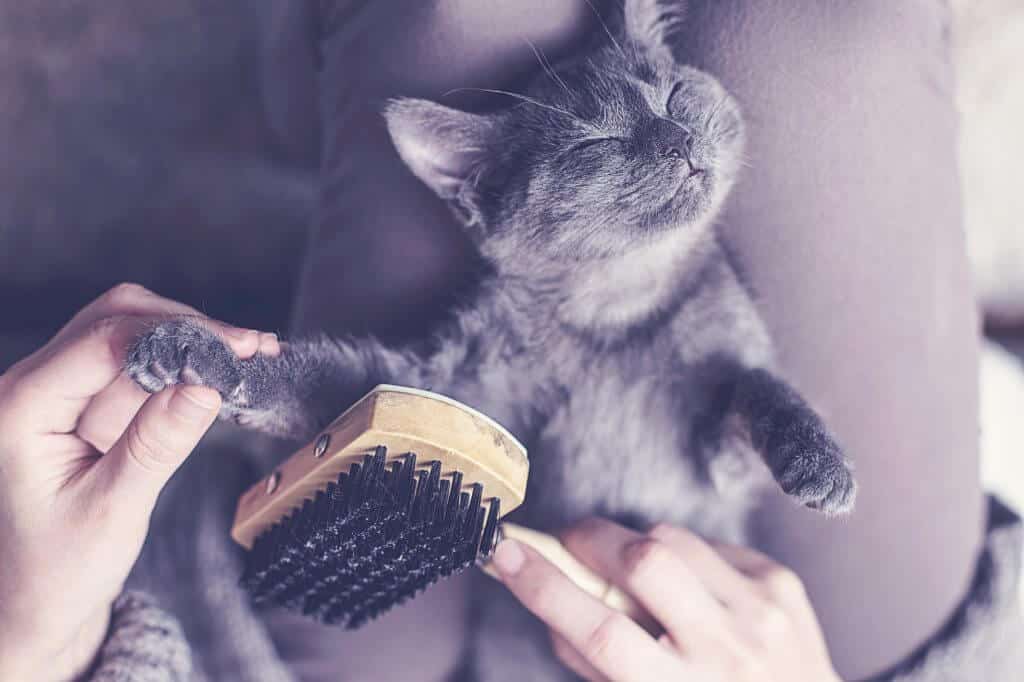
Keeping your pet’s coat in good condition is not just about aesthetic appearance: it also has a positive effect on his/her general well-being. In fact, the condition of the coat is often an indicator of your pet’s state of health. Regular brushing is essential because it maintains the balance of the skin’s ecosystem. Additionally, having a pet in your life can sometimes create issues of inconvenience with shedding fur. Nothing is spared: your furniture, your cushions… even your wardrobe. Regular brushing is even more important if someone in the house is allergic to cat or dog hair. By accustoming pets to regular brushing when they are young, grooming can turn out to be a fun activity for both the animal and the owner. Find out our tips on how to brush your pet properly. The importance of brushing For cats Because cats are particularly clean animals, people often underestimate the importance of brushing them. However, cats tend to swallow then vomit dead hair accumulated on the surface of their coats (the well-known “hairball” phenomenon) when cleansing themselves with their tongues. Moreover and although cats are talented with an astonishing flexibility, they are sometimes unable to reach certain parts of their own bodies (due to age, arthritis, etc.). For dogs Unlike cats, dogs do not clean themselves on their own. When their fur gets dirty, cleansing and brushing is necessary in order to maintain their skin in good condition and keep their coat looking fine and beautiful. The benefits for your animal For these reasons, regular brushing should be made a standard part of your pet’s grooming routine during periods of molt. Brushing stimulates both blood circulation and the secretion of cutaneous sebum. Such mechanical action helps remove dead hair and various types of dirt and particles (weeds, soil, grass seeds, etc.) as well as facilitate the growth of new fur. The process of a careful and thorough brushing also gives you an opportunity to check on any presence of parasites such as ticks or fleas. Furthermore, it enables you to detect any wounds on the skin. How frequently brushing is required depends on the breed and its fur type. A long-haired animal or one that is going through a period of molt will need more frequent care and maintenance (once per day) than a short-haired animal (once per week). How to choose the right brush for your dog or cat? For short-haired animals (Boxer, Labrador, Doberman, etc.), we recommend first of all using a metal comb with very fine, closely set teeth as this will remove dead hair from both the topcoat and the undercoat. Afterwards, use a soft brush to get the coat smooth and glossy. With long-haired animals (Collie, Yorkshire, Golden Retriever, etc.), it is advisable to spend some time untangling the coat prior to brushing. To do so, first use a metal comb with widely spaced teeth and work away at the knots delicately using gentle, rapid movements. Then focus on each lock of hair individually, holding them at the base to avoid causing any suffering to the animal. In particularly difficult cases, don’t be afraid to use a pair of blunt-ended scissors to cut the knot. The process of untangling fur can be painful for your animal; a patient approach and gentle movements will help to calm and reassure him/her. If your pet resists being brushed or is frightened by the process, special grooming gloves are available. This is one health and wellbeing device which your pet is absolutely certain to adore! Good to know: remember to eliminate any knot in the fur before bathing your animal as water tends to tighten them. Do not hesitate to offer a reward or treat to your pet after the brushing. We recommend beginning this ritual from the age of 3 months onwards. Your encouragement and your soft voice will soothe your companion. DERMOSCENT® Selection
Processionary caterpillars: springtime enemies for dogs and cats

Once the fine weather arrives, people tend to spend more time enjoying outdoor activities, particularly those who own a dog or a cat. Unfortunately, this is not without danger for your pets. Some of the creatures our pets may encounter, such as processionary caterpillars, can cause them serious health problems. What are the risks and what action should be taken if contact occurs? The processionary caterpillars, what is it? The processionary caterpillar is the larval stage of a type of moth. In order to metamorphose into a chrysalis, it first spends a certain time nourishing itself, mostly by feeding on conifer needles (i.e. pine, cedar, etc.), around which it also weaves its silk cocoon. In spring, it then comes down from its tree in order to burrow underground and thus complete its transformation. Risk is particularly high at this time of the year, as the chance for our pets of coming into contact with them is considerably increased. Note: the term “processionary” originates from the habit these caterpillars have of travelling around together in single file. Risks to your animals Be under no circumstance fooled by the non-threatening appearance of these caterpillars. They actually possess urticating hairs which are released when threatened or stressed. These hairs are different from the caterpillar’s visible hairs: each is equipped with a hook which attaches to the skin and/or the surfaces of other organs, then ruptures and delivers a highly dangerous toxin. Though cats can be affected, it is mainly dogs, with their playful temperaments, that tend to be most attracted to these tiny crawling creatures. The muzzle and mouth are most often affected. However, because the urticating hairs are very volatile, it is not unusual for other parts of the body to be involved (e.g. the eyes and eyelids). If ingestion occurs, the digestive tract can also be damaged. Symptoms in dogs and cats Muzzle and mouth In addition to the pain caused, there will be significant inflammation visible around the animal’s mouth and muzzle. Necrosis of the tongue can rapidly develop and could even cause some parts to fall off, depriving your animal of eating properly. Skin Contact with your dog or cat’s skin will cause an aggressive rash with multiple red spots. Itching and swelling of the affected area also often occur. Eyes The fact that these urticatig hairs can seriously damage the eyes, any contact with eyes is very dangerous and very painful for your animal. Moreover, the hairs can cause inflammation of the conjunctiva and the cornea resulting into corneal ulcers. Without being treated properly, they can even cause complete loss of sight. What to do in case of contact? If contact with a processionary caterpillar occurs, rinsing thoroughly the affected area without rubbing is recommended. It is important to seek urgent medical care as the consequences can sometimes be serious and irreversible for your cat or dog. When treated rapidly, the chance of a full recovery without long-term effects are much better. Good to know: humans are also equally susceptible to such risks!
SOS hygiene for dogs and cats: why and how to cleanse with a dry shampoo

Foreign material, muck and dirt can accumulate on your pet’s skin and coat. In sensitive animals, this can lead to irritation and encourage the spread of bacteria. Regular cleansing is therefore essential for your animal’s well-being and will ensure you to keep getting maximum enjoyment from cuddling and stroking your pet. However, bathing your dog or cat using conventional shampoo is not always easy, whether this is due to lack of time, lack of adequate space, because your pet is either boisterous, elderly, still recovering from an illness or just not keen on water. In these cases, it is preferable to use a dry shampoo instead of a conventional one. What is a dry shampoo? Dry shampoos are cleansing products that do not require any rinsing with water. They absorb excess sebum, remove dirt and have a deodorizing effect. Different types of dry shampoo are available:. The foams are used by gently massaging in against the direction of hair growth to remove any adhered muck and dirt. Finish by drying with a towel. Spray and aerosol products, which are very popular in the human cosmetics world, are not always easy to use in pets. Sprays, particularly aerosols, tend to frighten the animal, especially the cats. Powder cleansers are used by distributing the product directly onto the animal’s coat. However, they have the disadvantage of whitening the fur. Thorough brushing is therefore required to eliminate the excess powder and dirt. Benefits and drawbacks Using a dry shampoo will allow you to space out applications of traditional shampoos which can be a cumbersome process. Very practical and rapid to use, they make cleansing time a relaxing and enjoyable experience for your pet. However, you should always bear in mind that they should only be used for a quick cleansing and not as a complete substitute for traditional cleansing with a conventional shampoo. Additionally, dry shampoos are better suited to small dogs than large dogs. When to use There are various situations in which dry shampoos can be used: when away from home and on the move, such as on holiday or in the car when small accidents occur (urine, vomit, etc.) after a walk when your pet is a little dirty with animals that are not keen on water with elderly pets Dry shampoo is particularly useful in situations where it is not possible to get your pet wet, such as after surgery for example. How to choose your dry shampoo: a solution for each problem As with conventional shampoos, it is important to choose the right dry shampoo for your pet’s skin and hair type. Feel free to seek advice from your veterinarian, he will guide you to choose suitable product for your pet. DERMOSCENT® Selection
Warning on “minor ailments” for your dogs and cats in summer

On holidays, we let down our guard a little. However, in an unfamiliar environment, dogs and cats need a little more supervision to prevent “holiday” from becoming a byword for “emergency”! Here is an overview of the risks to which our 4-legged friends may be exposed to while they are at the beach, in the mountains or in the countryside… Superficial wounds Although not limited to only the summer season, scratches and scrapes are always a potential risk while playing or walking. Foreign bodies (grass awns, splinters, etc.) can also be a source of injury for your pets. Always have an antiseptic (ex: Chlorhexidine), a wound healing care, a dressing kit (pads, crepe tape, surgical tape or Elastoplast) and tweezers on hand within easy reach! Paw pad irritation After a walk, your pet may have overheated paw pads or microcuts, which require an application of a balm that both soothes and promotes healing. At the beach, hot sand and salt may irritate or even burn the paw pads and interdigital areas. Rinsing with fresh cool water is recommended, particularly between the toes. Remember to thoroughly dry with a towel to prevent trapped moisture and apply a repairing balm. Skin irritation Sand and seawater (and occasionally even fresh water) can also irritate sensitive or allergy-prone skin, especially in certain breeds (french bulldog, westie, etc.). Bathing with a specific soothing shampoo may help relieving your pet. Sunburn Although generally protected by their dense coat, our pets can nonetheless become victims of sunburns on hairless areas (nose, ears, etc.). Apply a sun cream on these sensitive areas before going out. In case of sunburns, a repairing hydrating cream will soothe the skin. Heatstroke This is one of the major EMERGENCIES during the summer. Heatstroke occurs in pets that remain in a confined, hot and badly ventilated space (often a car, sometimes a porch, etc.) during the hottest hours of the day. Sunstroke may also occur during prolonged exposure to sunlight. In both cases, your animal breathes abnormally fast and is agitated or conversely, seems despondent, unsteady, etc. She/he must be immediately taken to a cool place, made to drink if possible, wrapped in a towel soaked in cold water and then quickly brought to the veterinarian. Parasites and other insects… Fleas, ticks, flies and mosquitoes are insects which are a source of real danger for pets. Indeed, some are vectors of serious diseases (piroplasmosis and Lyme disease [ticks], leishmaniasis [mosquitoes], etc.). Protecting your pets with appropriate anti-parasitics and repellent care. Ask your vet for advice! Envenomation from stings, bites, contacts, etc. Summer is also the favourite season of wasps, hornets, snakes, jellyfish and other venomous animals… In the event of contact with any of these, bring your pet to a veterinarian as quickly as possible! Dr. Isabelle Mennecier, veterinarian DERMOSCENT® Selection
Identification of dogs, cats and ferrets

In France, dogs, cats and ferrets must be identified to ensure the traceability of the animal. This enables you to prove the animal’s identity when needed and also to prove you are the official owner. What is identification? The aim of identification is to assign a unique number to each animal in order to register them in the national file of domestic carnivores, which is managed by I-cad, in France. Two methods of identification are currently recognized by the French authorities: Tattoos: these are placed on the outer ear or on the inside of the thigh and consist of a series of numbers and letters. This ID methods concerns animals identified before July 3, 2011. Microchips: these are injected under the skin and consist of 15 numbers. The chips can be read using a specially-designed scanner, with which veterinarians are equipped. This method concerns all animals identified after July 3, 2011. Each registration is linked to the contact details of the animal’s owner. As such, it is essential that the owner updates their contact details, if their telephone number or address changes, so they can be contacted if the animal is lost. Why should your pet be microchipped? Beyond the fact that it is mandatory in many countries, identification is extremely important for both you and your pet: To travel: in order to cross borders, your dog, cat or ferret must be identified. Do not forget to take your pet’s papers and their up-to-date health record with you when traveling. To facilitate searches: if your pet is microchipped, it will be much easier to conduct searches if they get lost. Indeed, this is the only link between you and your pet. An identified animal has a 90% chance of being found, as opposed to only 15% for non-identified animals. To sell or adopt a pet, they must be identified beforehand. In France, the identification documents, the veterinary certificate, the certificate of commitment and knowledge and a transfer certificate must be given to the person adopting the animal. To protect the animals: identification also acts as a monitoring and protection tool, which helps fight against animal trafficking, theft, etc. At what age should my pet be microchipped? It is mandatory to identify your pet: Before the age of 4 months for dogs Before the age of 7 months for cats and ferrets Identification is usually done during the first visit to the vet or at the same time as sterilization. Don’t worry, inserting a microchip is quick and painless, and does not require an anesthetic. Useful information: If you lose your pet, you can report it: In France > on the I-cad website: https://www.i-cad.fr/articles/animal_perdu In Europe > on the Europetnet website: https://www.europetnet.com/
How can you choose the right insurance policy for your cat or dog?

When you become a pet owner, you need to consider the impact of every related costs on your household budget. Over the course of its life, it is estimated that owning a cat involves expenditure of €14,663, compared to €22,878 for a small dog (Source: veterinary media – L’Essentiel N°434 p.8). Healthcare costs constitute a significant proportion of this expenses. Indeed, the costs of veterinary treatment can sometimes be substantial, particularly in the event of an accident, and must be met in full by the animal’s owner, unless he/she has subscribed to a pet insurance. However, in France, less than 4% of pet owners have chosen to take out insurance, compared to 20% in Great Britain and 80% in Sweden (Source: ifaheurope.org). Nevertheless, it is not always easy to understand the wide variety of policies to choose from in the market. Here is some information that will help you to find the most suitable package. 1. Pet insurance for dogs and cats: the options There are three main levels of insurance cover available for pets: Basic and intermediate: treatment costs following illness or accidents are compensated. However, there are reimbursement ceilings in the annual coverage depending on the package chosen. Premium: in addition to the expenses named above, it also covers the whole or part of preventive treatments, such as vaccines, anti-parasite courses, worming, neutering and some hygiene or care treatments. Note: did you know that several Dermoscent® products can be covered by insurance? Some insurance policies can require deductible, so don’t hesitate to find out more from your insurer when asking for a quote. In addition, there may be a delay in coverage starting after your subscription (between one week and six months), time period in which your pet won’t be insured. Cancellation conditions can also vary between insurers. It is important to understand them thoroughly to ensure that there are no bad surprises when the time comes. 2. Criteria for ensuring that your cat or dog is insured Before taking out any policy, you need to check whether your pet meets the eligibility criteria. Age and breed: Puppies and kittens must be at least few weeks to months old, depending on the country, and must be vaccinated and must have a microchip. Some insurers don’t allow you to take out a policy for animals that are older than seven years. “High-risk” breeds with a shorter lifespan (such as Mastiffs, Great Danes, English bulldogs, Newfoundlands and French bulldogs) could have higher contributions compared to other breeds. State of health: Depending on the animal’s medical history, insurers may exclude one or more diseases from coverage. It is therefore recommended that you insure your animal as early as possible to avoid this kind of problem. Insurers can sometimes require a medical check to understand the animal’s overall health before taking out a policy. Good health must be confirmed by the owner or by the veterinarian and the vaccinations must be up-to-date. 3. How much does it cost to insure your pet? The contribution is set depending on your animal’s species (dog, cat, rabbit…) and breed. For dogs, the subscription fee for basic packages ranges between €10 and €25 per month and covers costs linked to major accidents. A “premium” package covering ongoing costs would be expected to cost between €35 and €65 per month. Steps required to obtain reimbursement for veterinarian’s fees: Pay the veterinarian and request an invoice Have the veterinarian complete the treatment record provided by the insurer Send the treatment record and the related invoice to the insurer A bank transfer will be made a few days after your claim has been processed
Should you trim your cat’s claws?
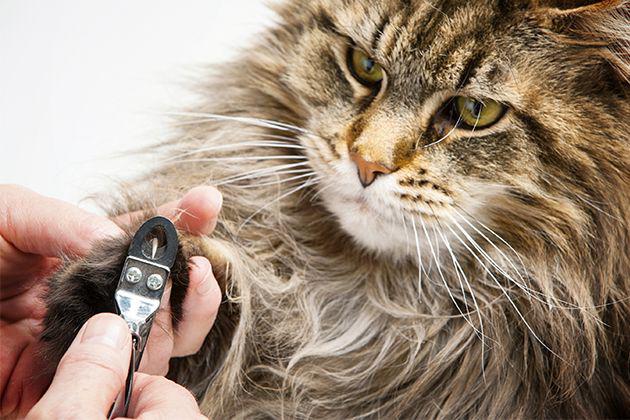
Cats extend their claws to hunt and climb trees. They are also used to mark territories, by scratching. When sharpening his/her claws, the cat releases pheromones in order to leave a trail on his/her surroundings. This practice can cause damages on your furniture. However, should you trim the claws of your cat? What is a claw? The cat’s claw is made up of two parts: the keratinized part formed by a superposition of horny layers, and nail pulp in the center, which contains the nerves and the blood vessels. The cat has 4 toes on each his/her hind legs and 5 toes on the front ones. This fifth toe is called a dewclaw, corresponding to our thumb. These dewclaws allow the cat to climb. Cat claws are retractable, that means they are viewable only when they are extended (hunting, climbing, self-defense …) thanks to the flexor tendons. Hence, they usually don’t touch the ground and don’t naturally wear out as they do for dogs. It is therefore necessary for them to sharpen their claws to maintain them. When do you need to trim your cat’s claws? Overall, it’s not necessary to trim your cat’s claws, but it depends of your pet’s lifestyle (outdoor or indoor). If we are talking about an outdoor cat, his/her claws are essential to defend him/herself, hunt or climb. For an indoor cat, a scratching post allows daily self-maintenance. However, if your cat tends to sharpen his/her claws everywhere in your house, you can shorten them so they will cause less damage. The use of an educational and repulsive spray could help the pet to drive his/her scratches to a selected object like a scratching post. When ageing, cats become less active. In such case, it is important to trim their claws which can get longer, curve and penetrate into the pad, sometimes causing an infection. Lastly, remember to check the dewclaws of the front legs. Indeed, as they are less likely to touch the ground, they wear out more slowly. How to properly trim your cat’s claws. It is better to accustom your cat to this practice from a young age. Use an appropriate claw clipper bought at the vet clinic or in a pet shop. Choose a quiet place to avoid scaring your pet. There are 4 steps : 1. Hold your pet against your body 2. Take the paw between your thumb and your index finger 3. Press slightly on the top of the toe to extend the claw outward 4. Clip the claw a few millimetres, without exceeding the transparent part More info: https://www.kittywire.com/safely-trim-cats-nails/ If you are uncomfortable with this practice, do not hesitate to ask your vet for advice in order to show you the methodology. Or ask him/her to directly shorten the claws of your pet. DERMOSCENT® Selection
Urinary infections in dogs and cats: how to better control them?

Like humans, dogs and cats can have urinary disorders. Urinary tract infections are the most frequent infections after skin infections. Sometimes difficult to detect, these urinary problems must be taken seriously, since they can become recurrent and have an impact on the general wellbeing of your pets. Urinary infections in dogs and cats: what are they? Known as urinary tract infections (UTIs) in veterinary medicine, these ailments include infections of the upper urinary system (kidney and ureter) or lower urinary system (bladder and urethra). UTIs are characterized by the presence and proliferation of bacteria in the urinary system. Urinary infections – causes and risk factors In cats: Urinary tract infections are relatively uncommon, and often follow catheterization for urethral obstruction in male cats. These blockages in urine flow are associated with the presence of calculi or mucus plugs in the urethra. In dogs: Urinary tract infections are predominantly “ascending” urinary infections (proliferation of organisms from the intestine or skin that move up through the urethra), which are more susceptible to occur in females (shorter urethra). In both species, long-term treatment with corticosteroids (for recurrent skin conditions) or with other immunomodulators (for autoimmune diseases) can promote the occurrence of urinary infections, as a consequence of a decline in the body’s defenses. Symptoms and diagnosis There are many symptoms of a urinary tract infection: the animal urinates in small amounts but more often, there is occasional blood in the urine; he/she may feel pain and lick at the genital area. Sometimes general signs are also present: weakness, loss of appetite, fever…particularly with upper urinary tract (kidney) infections. In order to diagnose the condition and identify the causes, the vet will take a urine sample for analysis in order to detect bacteria, crystals and/or blood. Radiography and ultrasound will help to show the presence of calculi, tumours, etc. A blood test can indicate whether certain diseases favoring UTIs, such as diabetes and Cushing’s disease are present. Treatment and prevention of urinary infections Immediate treatment will involve prescription of appropriate antibiotics, and if necessary, the administration of analgesics and anti-inflammatory drugs. If there is an underlying cause (tumor, malformation, diabetes…), it will be treated insofar as this is possible. To limit recurrence, it is important that the pet has access to fresh water at all times, drinks enough, and can urinate as often as necessary (keep the cat’s litter tray clean and odor-free, and let the dog out regularly). Certain food supplements may also prove very useful by strengthening the defenses of the urinary tract, and thus helping to prevent infections. Dr. Isabelle Mennecier, veterinarian DERMOSCENT® Selection
Skin and coat care of small mammals
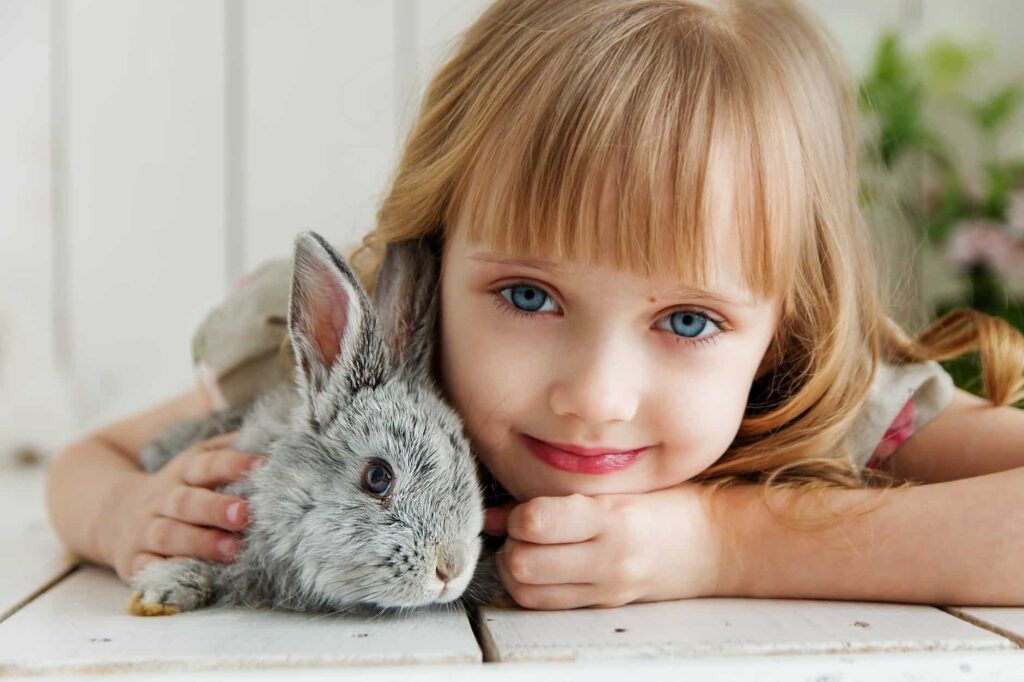
Over the past few decades, exotic pets have appeared alongside the traditional cats and dogs in our home, and there are now specialist clinics to care for their health problems. Falling under the generic term of exotic pets are aquarium fishes as well as caged or aviary birds, reptiles, amphibians, but also small mammals: rabbits, hamsters, guinea pigs, chinchillas, rats, mice, gerbils, ferrets, squirrels… The hygiene of small mammals and their skin problems Bad odors and greasy coat Some small mammals have numerous sebaceous glands all over their bodies which produce more or less sebum according to the season (e.g. increases during the breeding). This results in a rather strong odor sometimes needing to be reduced; this is the case with ferrets (a very strong musky smell), but also with rabbits. Furthermore, when these glands produce a lot of sebum (a phenomenon stimulated by obesity or dietary imbalances…), it results in a greasy coat. The glands can also clog up easily and become the base for inflammation. Additionally, if hygiene is inadequate, a bacterial infection can occur leading to irritation, skin eruptions and hair loss. These events are frequent in guinea pigs, rats, mice and hamsters (on the flanks). To reduce an unpleasant smell and to avoid excess sebum, while strengthening the skin’s defenses, there are sebo-regulative cleansers (used with or without rinsing), as well as spot-on products to be applied weekly if necessary. Specific problems Poor upkeep of cages or unsuitable flooring can cause a foot condition, known as pododermatitis, in certain small mammals (rabbit, guinea pig). Effective treatment will, first and foremost, require complete regular upkeep of the cage and the selection of a less irritating flooring. Furthermore, careful cleansing of the interdigital spaces (e.g. with purifying wipes) and the application of a protective, restorative ointment will help to combat this condition. Certain small mammals (guinea pigs, rats, mice…) are also very susceptible to dietary deficiencies (in Omega 3 and 6, for example) or to allergy-related disorders (food and environmental allergens). This can have repercussions for the skin and coat: dry skin, hair loss, dandruff. In both cases, appropriate diet, provision of specific food supplements and product care to be applied directly on the skin (spot-on, sprays…) will help strengthen the skin’s defenses. Dr. Isabelle Mennecier, veterinarian DERMOSCENT® Selection
Cats and Pregnancy: What are the risks for the mother-to-be?

Pregnancy in a woman is a joyous event which comes with several constraints, starting with her diet! Her doctor will talk to her about salmonellosis, listeria, toxoplasmosis… and may ask her a very surprising question: “Do you have a cat?“. But what is the relationship between a cat and a woman’s pregnancy? The cat may be carrying a parasite, Toxoplasma gondii, which is contracted while hunting animals (mice, birds) and lodging itself in the cat’s intestines. The parasite is then transmitted via cat excrements, which can lead to contamination of the pregnant woman through the cat litter, this is toxoplasmosis. Chances of a house cat carrying the parasite are minor, provided that he/she does not eat raw meat or poorly cleaned food, and there are no mice in the home! Toxoplasmosis: What is it? Toxoplasmosis is a parasitic disease that can be contracted throughout a lifetime, but it turns out to be dangerous during pregnancy, so it must be monitored. Normally, the symptoms go almost unnoticed: a short-lived influenza-like illness. The person is then immune for life. However, in the case of pregnancy, the risks are greater for a non-immunized-woman’s foetus. Toxoplasmosis may slow down the development or cause a malformation of the foetus. Pregnant women who are not immune to toxoplasmosis must adhere to a specific diet because the risk of contamination is much greater through eating inappropriate foods than through handling cat litter. Therefore, they should avoid raw or undercooked meat that could be carriers of the parasite and wash fruits and vegetables thoroughly before consuming them, especially vegetables from the soil (salad, carrots, etc.) that may be contaminated by cat faeces. A simple blood test makes it possible to know if the expectant mother is immune and if not, then it will be necessary to carry out this control every month to ensure a proper follow-up. A cat and a pregnant woman: cohabitation is possible! If the non-immune pregnant woman has a cat, simple precautions can limit the risk of infection. In general, it is necessary to avoid contact with everything that is tainted by cat excrements. If she has to handle cat litter, she has to wear disposable gloves. It must not be forgotten that a cat covers his/her stool in the litter. And even if he/she lives outside, claws are in contact with earth or sand. It is, therefore, necessary to avoid contact with the cat, and especially avoid scratches. It is recommended to wash one’s hands thoroughly after each cuddling session with the cat. Sleeping with a cat is also risky. It is therefore advisable to prohibit this habit during pregnancy. It would be unnecessary to separate a pregnant woman from her cat. Nevertheless, she just needs to be vigilant and keep a bit distance from her fur bal.
How to give oral medication to your cat or your dog?
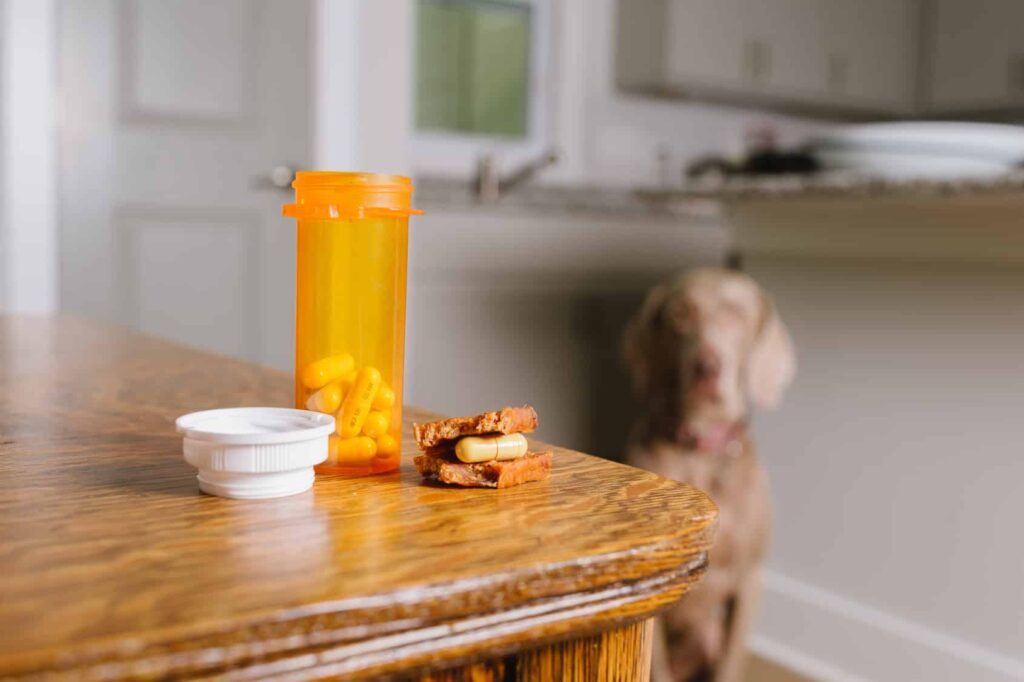
Veterinary visits often result in a medical prescription. And it is not always easy to give your cat or dog oral medication. However, it is important to comply with the treatment regimen in order to ensure its effectiveness. Depending on the galenic forms (tablet, liquid, gel, drops, etc.), administration will be more or less easy. Here are some tips! Under what conditions should you give your animal medication? It is important to give your animal medication while he/she is relaxed and preferably in a quiet place. Avoid administering medication after physical activities or a game. In fact, the animal, out of breath, could choke. Speak gently and consider rewarding him/her with a treat or a cuddle. Do not forget that your pet picks up on your emotions perfectly. In case of difficulties, do not insist, it is preferable to start over at a more convenient time for you and your animal. Giving a medication in tablet form More and more treatments are available now in tablet form (anti-flea, deworming…). An increasing number of treatments are said to be palatable, which means, they are formulated in such a way that their smell and taste encourage the animal for an unprompted taking. They are also breakable and chewable making their administration easier. Unfortunately, not all treatments are as easy to administer. In these cases, use tricks rather than force. Hide the tablet inside food that he/she likes, such as a meatball, tuna or cheese. You might even try mixing medicine in their favorite treat. Though tablets can sometimes seem big for your cat or dog, do not worry, your animal’s esophagus is large enough to ingest it. However, some animals are more difficult than others. The only way to give them medication is to slide it to the back of their throat. To this end, put your hand around the snout. With the other hand, open his/her jaw and drop the tablet into the back of his/her throat. Gently close his/her mouth and slightly massage the throat to help him/her swallow. When he/she has swallowed, your pet will lick his/her nose. Always praise your pet and stay with him/her for a few minutes, petting him/her to avoid making this a bad experience. Administering liquid medication to your animal Oral drugs: Giving medication in liquid, paste or gel form to your pet will often be easier than giving a tablet. If your pet does not usually eat everything in his/her bowl, it is best not to spread the liquid on the food because the treatment’s dose might not be taken. The effective method will therefore be direct administration into the mouth. Grab his/her head gently and tilt it up. Insert the syringe behind the right upper fang or between the teeth and the cheek. Give the liquid medicine gently in small amounts to let your animal swallow. Other forms: In case of otitis, your veterinarian will prescribe drops to instill into your pet’s ear canal. When the ear canal is very inflamed, it can be difficult because the animal will struggle. Do not hesitate to get help from your veterinarian or veterinary nurse. For eye drops (collyrium), have your pet sit down and bring him/her closer to you. Use one hand to open the eyelid and the other to administer drops into the eye. Wipe the excess off with sterile gauze. Do not use cotton that could leave fibers near the eye. If you have difficulties, ask practitioners to show you the best method for your animal.
Canine hyperkeratosis: a skin disease to be kept under close watch

Keratin is a protein, and the main component of hair, feathers, horns, claws, and beaks in most animals. Canine hyperkeratosis is a skin condition in which excess keratin is produced, in particular in the nose and/or paw pads; causing skin thickening and hardening, sometimes to the point of cracking, thus leading to the emergence of secondary infections. It is a progressive disease, which most often appears gradually, and can be a source of discomfort for the dog. What are the causes? The causes of hyperkeratosis vary, the most common being: Hereditary and genetic: “naso-plantar keratoderma” in the Dogue de Bordeaux and the Irish terrier, “nasal parakeratosis” in the Labrador… Generally, the condition can appear relatively early in life, between 4 and 9 months. Certain diseases: parasites (leishmaniosis) infectious (canine distemper) auto-immune (pemphigus foliaceus) food: (zinc deficiency) Age: Age-related canine hyperkeratosis: the skin thickens with ageing, contrary to what happens in humans, especially at the pressure points, hence the formation of calluses. Hyperkeratosis of the paw pads associated in older dogs with a chronic liver disease or pancreatic tumor (hepatocutaneous syndrome) What are the symptoms? Hyperkeratosis lesions mainly affect the nose and paw pads, more rarely other parts of the body (edge of the ears, skin of the stomach, friction areas, calluses, etc.). The nose can thicken, lose pigmentation, and sometimes develop crusts, giving it a dry and rough appearance. The skin can in some cases crack, causing bleeding. The paw pads become thicker, rougher and sometimes harder. In some cases, the thickening may be quite dramatic. The local inflammation and very frequent cracking are painful for dogs and can cause limping. How to manage the condition Local treatments are first needed in order to provide comfort and/or improve appearance of the nose and paw pads. Locally, specially-formulated emollient ointments will soften the thickened cornea layer, and promote the penetration of other active ingredients. These include keratolytics (which soften and/or dissolve keratin) and moisturizing, decongestioning substances which will allow the skin to recover flexibility. On the nose, products are chosen for their rapid penetration and safety, as otherwise the animal may lick them off. Frequent applications (two to three times a day) will help to result in a rapid improvement, followed by an application once daily, for maintenance and to limit recurrences. Dr. Isabelle Mennecier, veterinarian DERMOSCENT® Selection
Traveling with your pet: special requirements & practical tips
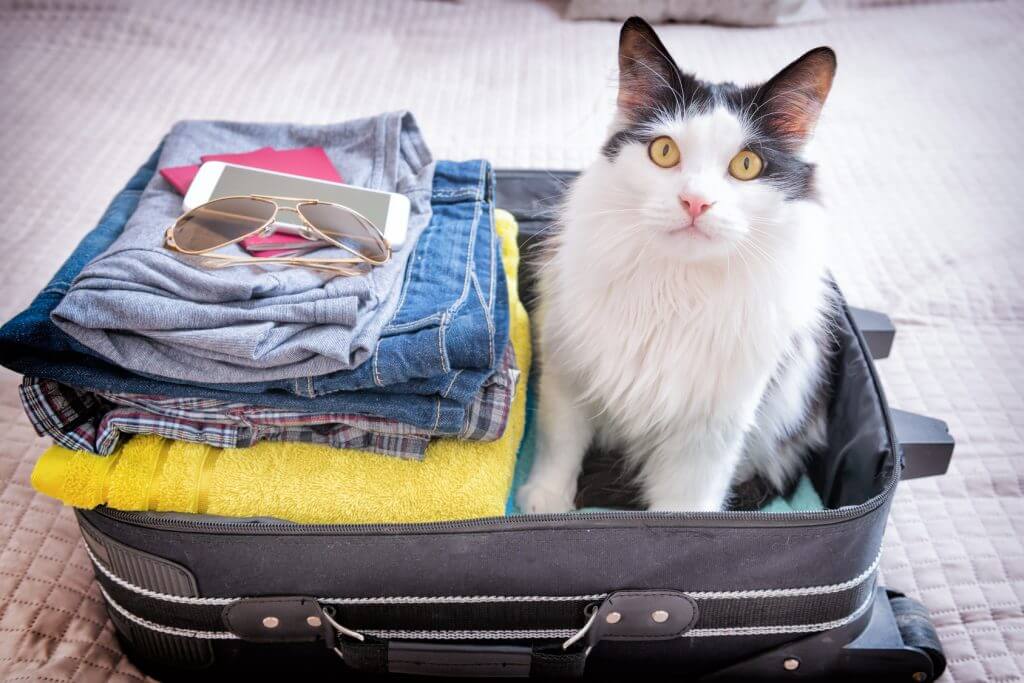
The holidays are around the corner, and you do not want to leave your four-legged friend? You can easily travel with your pet if you simply plan ahead! Discover our tips on how to prepare for a no-stress departure: What are the “health requirements” to be fulfilled for your pet before going on vacation? Depending on your destination, the requirements may differ. Think about checking them before departure. If you are traveling to a European Union country, your pet will need to: be a minimum of three years old get a EU pet passport from your vet be up to date on their vaccinations be identifiable by a microchip (or for pets born before 07/03/2011, by a tattoo). Note: The United Kingdom, Finland, Malta and Ireland have additional requirements. Certain breeds of dogs are forbidden in the United Kingdom. What is the most suitable mode of transportation for your pet? Depending on your destination, whether you have a cat or a dog, and depending on its personality, some means of transportation may be preferable to others. Traveling by car with your four-legged friend If the size of your pet allows for it, you can use a travel crate. Place him/her at the back of your vehicle where he/she will be more comfortable. Ideally, avoid having your pet eat before leaving, and remember to take regular breaks (every two hours) so he/she can run around and have a drink. If your cat or dog is prone to motion sickness, ask your veterinarian for advice on proper treatment. Traveling by train with your cat or dog Just as for yourself, you will need to have a ticket for your pet before boarding the train. There is an exception for service dogs who can travel for free. Depending on your pet’s size, he/she must be kept on a leash or be placed in an approved bag or carrier. This mean of transportation is suitable for calm animals who will not bother other passengers which can ask the inspector to relocate you at any time! Traveling by air with your pet This mean of transportation is strictly regulated, and can be a significant source of stress for your pet. Each airline has their own policies, so carefully check the requirements of the airline you are flying with. When making your reservation, be sure to indicate immediately that you are traveling with your pet, as well as his/her breed. Depending on pet’s size, he/she will either travel with you in the cabin or be put in the cargo hold. How can you manage the stress of traveling, as well as minor injuries on vacation? If preparing for vacation makes you anxious, your pet will feel it. First of all, relax! Everything will be fine. To best prepare your companion for travel, show him/her the bag or crate he/she will be traveling in. Encourage him/her to discover this new place by putting his/her favorite toy or cushion inside. The day before departure, plan ahead for mealtimes, so he/she doesn’t have to travel on a full stomach, and let your pet go potty just before leaving. Treatments based on essential oils with soothing properties or pheromones will also help your pet relax. It is also a good idea to pack a “pharmacy kit” in your suitcase, containing products for the treatment of minor injuries which can occur on the spot. Parasite or insect bites, irritations, sunburn, abrasions…even on vacation, our four-legged friends can get injured, so plan ahead with first-aid products for any situation! DERMOSCENT® Selection
Taking care of your convalescent pet

Your pet has undergone surgery and his/her condition is stable enough to bring him/her home. Follow our veterinarian’s advice for a better management of the post-operative period. It’s your turn to play nurse! Home care Preparing properly for his/her return Anesthesia and the stress of hospitalization have worn out your companion. Set up a comfortable bed, in a quiet and warm corner (around 77°F) where you can monitor your pet over the first few days. Treating a wound properly Above all, make sure that your pet does not touch his/her stitches! If necessary, put a protective Elizabethan collar around his/her neck to prevent licking. Keep dressings clean and dry. Contact your veterinarian if the wound weeps, bleeds or if the condition of your pet does not appear to be improving. The stitches are normally removed within 12 days following the procedure. Some healing products can help with skin regeneration, talk to your veterinarian about this so that he/she can recommend an appropriate care. Grooming Your cat may have trouble cleaning him/herself and this may cause discomfort. Since post-operative baths are not recommended, rinse-free cleansers can help pets undergoing convalescence maintain a good hygiene. Exercise and nutrition A special diet? Your pet may lack appetite during the first 48 hours, so make sure he/she starts eating again properly and have access to fresh water to maintain hydration Can your dog/cat exercise after an operation? Rest is of the utmost importance for a good recovery. Depending on the type of procedure, exercise should be resumed gradually, following the veterinarian’s instructions. After minor surgery (neutering, etc.), cats and dogs are kept inside for 48 hours, followed by short walks on a lead over the next week. After bone surgery (hips, knee, etc.), it may be necessary to restrict the space your pet has access to, with the help of a cage or a recovery pen, for a few weeks. Your pet will need to be walked on a lead for 6 weeks and will be prohibited from jumping and running for 6 to 8 weeks. Dr Vanessa Marmolejo, veterinarian DERMOSCENT® Selection
Options for sitting your dog or cat

You want to feel comfortable leaving your four-legged friend while on vacation, but you don’t know whom to turn to? Discover several solutions to entrust your pet with confidence. Multiple options for dogs or cats If you cannot take your faithful friend with you during your vacation and you have no one who can take care of him/her, please take note that there are multiple options for sitting. It’s up to you to choose the best for your animal! Host families A well-suited solution for pets who particularly need to be pampered and get along easily with other animals! Advantages: Reassuring for the owner Family environment and daily interaction Easy to contact through specialized sites Disadvantages: No professional training at all to run the business Limited capacity of hosting https://holidog.com Home visits or home care: “pet sitting” This choice is ideal if your pet doesn’t cope well with a change of environment. The “pet sitter” can stay in your house and take care of your pet while you are away for a long period of time. If you will be away for a short period of time, home visits might be fine too, especially for cats who are mostly independent. Dogs would need regular visits to be let out and go to the toilet. Advantages: Less disturbance for your pet Very suitable for cats Offering professional supervision Disadvantages: Demands a high level of trust Run a test prior to validating your choice https://dogbuddy.com/ Boarding facilities Boarding facilities are places which are specifically established to accommodate your dog or cat. Your pet is looked after by certified professionals who will feed and care for them during your absence. Advantages: Offering professional supervision and management Ideal for pets with health concerns Disadvantages: Offering less walks & can be more stressful for your pet Other types of care A new trend from the United States: hotels for dogs or cats are becoming more and more popular. Pet sitting exchanges are also becoming more common. Preparing for your dog or cat’s care In order to best prepare your four-legged friends prior to your departure, have them visit the place where they’ll spend their vacation and meet the people who will be looking after them. If possible, make a test by leaving them there for a few hours so they can get used to it. If your pet will be staying away from home, take the time to pack them a suitcase! Depending on the type of care chosen, you may need to provide their food, their favorite toys, their “blankie” or stuffed animal. Include their usual skincare products (shampoo or rinse-free cleanser, pipettes, paw pad balm…), and if they are taking any medication, be sure to include that as well! The use of a pillbox can make it easy to organize your pet’s medication for each day of the week. It’s always a good idea to put together a list of important information on your pet for the carer, such as habits, preferences, things to avoid, etc. Make sure that your dog or cat is up-to-date with his/her vaccinations, especially if he/she is being kept with other animals. Include their vaccination information and the telephone numbers of people to contact in case of emergency (veterinarian and a family member if you can’t be reached). Is your pet anxious? Help him/her relax with products made of calming pheromones or relaxing essential oils. Our advice: leave behind with your pet a piece of clothing that has your scent on it. This will help him/her feel safer and calmer. DERMOSCENT® Selection
Cleansing your pet’s ears

Your pet’s ears may require specific care for either hygiene or medical reasons. Anatomy The external ears of dogs, cats and rabbits consist of: The ear flap, which is mobile, floppy or erect and may be hairy. The L-shaped external ear canal, which ends at the eardrum Behind the eardrum lie the middle and inner ears which contain organs ensuring hearing and balance. Ear of a dog/cat/rabbit Why cleanse your pet’s ears? The ear canal contains glands that secrete earwax (cerumen), playing a cleaning and protective role. Healthy ears stay clean thanks to a natural self-cleaning mechanism. However, it may be necessary to clean the ears of your dog/cat/rabbit with a suitable product if: the amount of earwax is abnormally high hair at the entrance or in the ear canal and/or its narrowness leads to the formation of plugs a lack of ventilation (pendulous ears…) encourages the growth of microbes, causing bad odors and otitis. Breeds with a predisposition to otitis also require regular maintenance: drooping or hairy ears (beagles, poodles, etc.), long, narrow or winding ear canals (cocker spaniels, shar-pei, etc.) or breeds prone to allergies (bulldogs, westies, etc.) NB: cleansing clean and healthy ears with unsuitable or excessive amounts of products can cause irritation. Cleansing your dog, cat or rabbit’s ears: a how-to guide When should I start and how often should I do it? It is recommended to inspect your pet’s ears once a week in order to spot any abnormalities (such as a different color of earwax, redness, pain, etc.). To find out whether you need to cleanse your pet’s ears, ask your veterinarian for advice. In average, you are advised to cleanse your pet’s ears 1 to 2 times a month. For breeds predisposed to ear problems, once or twice a week in summer and once every fortnight in winter is recommended. Train your pet to get used to having their ears cleansed at their young age. How do I cleanse my pet’s ears? Hold your pet in a comfortable position in front of or next to you. Tilt the head slightly, hold the bottle upside down, insert the nozzle into the ear canal and pour in the product until the canal is filled. Massage the base of the ear from the bottom upwards and wipe away the excess with a compress or cotton wool (do not use a cotton bud). Let your pet shake his/her head and wipe the ear again. Repeat with the other ear. Remember to give your pet a treat and to disinfect the nozzle after each application. Product choice An ear cleanser must be gentle yet effective. It must dislodge earwax and debris without irritating the delicate skin of the ear. Its drying and deodorizing effect should help reduce bad odors. Dr Vanessa Marmolejo, veterinarian DERMOSCENT® Selection
Your pet, too, can get the back-to-school blues!

It’s almost back-to-school time and the post-holiday blues won’t spare anyone, not even your pet friends. Over the holidays, your dog or cat got used to you being around and to playing more with you. As you resume your everyday routine, your pet may experience stress, finding it difficult to cope with your extended absences again. Understanding and recognizing the signs The sense of distress is usually temporary and due to an abrupt change in routine. Dogs will be more likely to suffer from loneliness, while cats are more sensitive to changes in habits and environment. Separation anxiety can often be seen in troubled behavior: destruction, barking, house soiling, listlessness, loss of appetite or even self-harm in the most severe cases (licking or scratching wounds). How to prevent or solve the problem To get your pet ready, re-establish a routine schedule of walks, meal times and activities (obedience training, games, cuddling) so as to ease them into the back-to-school period. If your pet is hyper-attached and constantly seeks your attention, re-accustom him/her to being alone by gradually increasing the length of your absences. Avoid making a fuss before going out and coming back. While at home, get your pet used to having quiet times by ignoring his/her appeals, especially when these are barks or howls. No matter what, do not scold your pet, this is counterproductive and increases the stress he/she is already suffering from. If your pet shows destructive behavior or inflicts lesions on him/herself, try to enrich his/her environment to keep him/her busy while you are away (favorite toys, DogTv, radio on, etc.) and increase the number of games or exercises while you are at home. In the event of toilet accidents, do not reprimand and try instead to increase the frequency of your walks. There are also pills, pheromone diffusers or collars that can help your pet better cope with stress. If there is no clear improvement within fifteen days, check with your veterinarian, counsellor or behavioralist in order to begin supportive behavioral therapy and, if necessary, appropriate medical treatment. Dr Vanessa Marmolejo, veterinarian DERMOSCENT® Selection
Welcoming home your new puppy or kitten

You will soon be introducing a new puppy or a kitten to your home. This important moment marks the beginning of a wonderful adventure for your family as well as for your adorable furry companion! Follow our tips to best prepare his/her arrival and help your little friend to find his/her feet. How to best prepare the arrival of your four-legged friend For a proper welcome, you will need several essential items. Prepare a cozy nest in your home To make your pet feel at ease, provide a dog basket, cushion, blanket or puppy outdoor kennel. In other words, any items appropriate for the comfort and size of your pet. Once you have the bedding, decide on a suitable place to put it. It is recommended to choose a quiet spot, therefore avoiding high traffic areas for dogs. As for cats, provide them with a high place, and they’ll be happy. Be aware of anything that could put your pet in danger: Windows/balconies: Make sure to set up safety barriers Electrical flex and outlets: Put them in a box or install outlet covers Plants: Some varieties of plants can be toxic for your little friend (e.g. ficus, aloe vera, dumb cane, etc.). Consider moving them out of his/her reach. Cleanliness, meals, toys & going outside… If you are adopting a kitten, provide a litter tray so he or she can go to the bathroom. Do you already have a cat in your house? If so, invest in a second litter tray as each cat should have his/her own. For the well-being of your pet, same as for yourself, clean the litter tray on a regular basis. Regarding food: The best thing to do is to divide the day’s ration into several small meals given at regular intervals throughout the day, which is generally three for puppies. This can be adjusted according to the animal size. Kittens are able to regulate themselves and nibble throughout the day, so you can just leave the bowl out. Pets from breeding are often used to one brand of food. If you wish to change it, do so gradually by mixing the two brands. Food bowls, kibbles and water dispensers should be placed in a convenient place for both yourself and your pet. Puppies and kittens love to play, so do provide a variety of toys to stimulate them and help them spend the day when they’re alone! Finally, for going out: Provide a leash, collar or harness, and travel carrier (for a cat) or any other necessary accessories for your four-legged friend (for example, a muzzle for regulated dog breeds). These additional items might also be useful for your puppy or kitten: Puppy pen Catnip and repellent (to discourage scratching on the furniture, for example) Pheromones and anti-stress products Properly welcoming your companion animal If you need to bring your animal home by car, use a carrier or security harness so everyone stays safe during transport. Upon arrival at your home, be calm and attentive to your pet’s needs. Puppies and kittens will be surely overwhelmed, and too much excitement and caring can be frightening. Let them discover their new home and family members at their own pace. Children will need to be aware of movements to avoid in order not to scare them. If you have other pets, observe their behavior closely. The first night: What to do The first night is generally difficult for puppies and kittens separated from their original environment. To manage barking or meowing, it’s very tempting to take your pet into your bed. However, they won’t understand if this is no more allowed on a frequent or permanent basis. Provide reassurance and be patient. Two or three nights are generally necessary for them to become fully acclimated. How to handle your pet Brushing, bathing, cleaning their ears, eyes and teeth: If you accustom your little friend to these things right from the start, they will become quickly used to them. Be patient and sensitive: baby animals are fragile, particularly kittens. If they easily tolerate handling, reward them (with a suitable treat, along with cuddles and words of praise)! The veterinarian: When should the first visit take place? To ensure that your pet is doing well and to take care of the necessary health and welfare requirements such as vaccinations, deworming, parasite control, identification, etc., consider making an appointment early on for the first vet visit, and even begin looking for health insurance options. DERMOSCENT® Selection
What are the best workouts for you and your dog?

Want to get some exercise with your pet? When you play sports or work out with your dog, it helps both your well-being and your dog’s – all of which helps to strengthen the bond between you. It’s also a fun way to improve your four-legged friend’s training as well, so learn which sports you can play with your dog, as well as the precautions you should take! Six sports to play with your dog Agility, the most popular sport of all This educational and physical game is aimed at all dogs and all dog owners, whether or not they consider themselves athletic. The principle is straightforward: your dog needs to complete an obstacle course within a time limit, guided only by your instructions. This activity promotes a close bond between dog and owner while at the same time improving your dog’s skills and obedience. Some accessories (an agility tire, a slalom, and a ramp) will help make it easier to train together at home. This canine sport is also taught at a number of different clubs and is a great way to meet other dog owners to share your experiences. Canicross, physical activity that you can share Canicross involves running with your dog, who is attached to you by a belt. Your dog gradually learns to pull you over medium-to-long distances. Canicross can be broken down into CaniCross MTB, CaniCross running, CaniCross hiking, and mushing or sledding (for some breeds such as huskies). You can learn more on the website of our partner, Jean-Philippe Pontier. Canicross allows you to engage in physical activity in tandem with your dog while exploring nature at the same time. Canicross can be a competitive or a leisure activity. To get started, you will need a belt that is specifically designed for canicross and suitable for your pet’s strength, as well as a leash and a harness. Gradually get your pet used to playing the sport, starting with short distances that you gradually increase. Rhythmic obedience: ideal for music lovers! This discipline combines athleticism with a musical show. You’ll teach your dog to follow specific choreography to your choice of music, which you will then perform together in front of a panel of judges. The aim is to work on your pet’s observational abilities (following your instructions to perform the choreography), as well as its rhythm, its obedience skills, and your creativity! This activity can also be enjoyed as a member of a club. Other sports that can be enjoyed with your dog Do you practice yoga? Why not try doga? The aim is not to teach your dog how to adopt a relaxation pose, but rather to practice your stretching in the company of your pet. Although it is little known in Europe, it is more widespread in the USA. Frisbee is another fun sport that is ideally suited to dogs, particularly those that like to fetch things. Get a soft Frisbee that is designed specifically for dogs, and gradually increase the distances involved! Flyball is an obstacle course that features hurdles to improve your pet’s speed. After completing the course, your dog has to retrieve a ball and bring it back to you. You can acquire your own kit and play sport together at home Precautions to take before playing sports with your dog There are no real reasons to avoid engaging in sports with your dog. Before you start: You should select the activity or activities that reflect your personal preferences as well as your dog’s breed and character; Depending on your dog’s size, age, and state of health, different dogs’ sporting abilities will differ wildly. Your pet needs to be in good physical shape, and particularly so for canicross. Up until the age of one year (or even eighteen months for larger breeds), dog’s joints are fragile, and therefore some patience is needed. If your dog is old, sick, or pregnant, do not engage in active sport. Set up an appointment with your veterinarian to ensure that your four-legged friend is in good health and fit enough to engage in your preferred discipline. Also ensure that your dog is fully trained and has a sociable nature. Your dog should be chipped for identification purposes, and up to date with vaccinations and worming, especially if you will be training with other dogs and/or humans. DERMOSCENT® Selection
Osteoarthritis in dogs and cats

Osteoarthritis is a chronic and degenerative disease resulting from wear and tear of joint cartilage which can affect several body parts: hips, knees, shoulders, elbows… Background The cartilage which surrounds bones at the joints deteriorates naturally with age, in a progressive and irreversible manner (primary osteoarthritis). Certain factors can accelerate the process (secondary osteoarthritis): • birth defects causing joint malfunction such as hip dysplasia in large dogs or kneecap dislocation in small dog breeds • trauma • excess weight increases the risk and the aging of joints What are the signs? A reduction in activity can be observed: dogs might have difficulties getting up from their basket, may lack enthusiasm for a walk… Then, stiffness appears (difficulties in lifting their leg to urinate, for example) along with muscle loss, limping and yelping in pain upon certain movements. In the case of an acute osteoarthritis outbreak (linked to temperature variation/humidity, intense physical exertion…), dogs may lick their joints, show aggressiveness (a demonstration of pain) and a complete immobility of the joint (ankylosis) may even occur. Although all breeds may be affected by osteoarthritis, large dogs are often predisposed due to congenital defects of the hips or elbows: Labrador, Rottweiler, German Shepherd… Cats will spend more time lying down, will have difficulties in self-grooming or jumping on furniture or cat tree. Certain breeds are also predisposed to joint defects (Maine Coon and Abyssinian). What can be done? Prevention Early diagnosis is essential. For older animals, an annual geriatric check-up by your vet is advised from: • 10-11 years for small cats and dogs • 9 years for medium-sized dogs • 7 years for large dogs Joint defects should be monitored among predisposed breeds. Nutrition, exercise The use of chondroprotective agents, in the form of food supplements or integrated in the food, gives good long-term results to limit cartilage deterioration. In any case, the weight control of the animal is crucial. Regular yet moderate physical activities are recommended. Physiotherapy Hydrotherapy and laser therapy are increasingly used but require regular sessions. Massage can provide pain relief. Osteopathy and electrotherapy are complementary treatments which can help bring relief to certain animals. Medical/surgical treatment Depending upon the stage of osteoarthritis, your vet may prescribe a suitable anti-inflammatory treatment (acute outbreak). In the most severe cases, surgery may be necessary. Dr Vanessa Marmolejo, veterinarian DERMOSCENT® Selection
Behavioral problems of aging animals

As they age, cats and dogs, just like us, can suffer from pathologies which affect different organs as well as their joints. They may also, over time, develop other problems affecting their behavior which can result in unusual and/or improper actions or reactions: disorientation, irritability, uncleanliness… The signs that should alert you If you observe any changes in the behavior of your dog (over the age of 7) or cat (from 10 years on), consult your vet who may be able to differentiate ‘normal’ problems linked to aging from those caused by neurological degeneration such as Cognitive Dysfunction Syndrome (CDS) whose diagnosis requires further image testing (scan/MRI) and specific treatment. In dogs Initially, progressive reduction in sight and hearing as well as the onset of pain, most often originating from osteoarthritis, will be noticed. This may make your dog more anxious and lead to behavioral problems: barking, destroying things, irritability or even aggression towards the people or other animals in the home. His/her physical ability diminishes with age, causing more fatigue. He/she sleeps more, objects to going up or down stairs… Your aging companion shows less interest in things that stimulated him/her previously and greets you with less enthusiasm. You may also find your dog roaming by day or night, being disoriented and forgetting cleanliness, obedience… Sleep and appetite problems may occur. In cats Older cats may become more irritable, play less, no longer jump around or self-groom as much as before, or may become more and more isolated and also show signs of anxiety (meowing, fear). As cats are naturally more independent than dogs, these signs can be more discreet and go unnoticed. Behavioral problems: what are the solutions? To ensure the best quality of life for your aging companion, you can make some changes to his/her environment and habits: Nutrition should be adapted to brain aging and enriched with antioxidants and omega 3 to slow oxidative stress which destroys the cells (neurons). The use of phytotherapy and aromatherapy (e.g essential oils), or other products aimed at soothing or stimulating (e.g pheromones), can be useful. Certain veterinary-prescribed medicines can improve the chances of successful management (e.g antidepressants, psychotropic drugs and vasodilators to improve oxygenation of the brain). It is important to ensure fixed spatio-temporal reference points for your animal: maintain daily routine whilst gradually adjusting the pace, length and locations of walks. Stimulate your pet physically to avoid muscle wasting, as well as mentally to reduce depression (5-minute sessions of simple play, whilst maintaining the usual interaction: cuddles, brushing, walks) A defined living space will reassure your pet, so if necessary, limit a large dog’s access to just one room or take a smaller dog to a dog pen. A cat needs a space to feel safe in, particularly when the environment gets agitated (by noisy or boisterous children for example). Make sure to provide a comfortable and peaceful sleeping space whilst not isolating him/her completely from family life. Dr Vanessa Marmolejo, veterinarian DERMOSCENT® Selection
Why does your dog or your ferret smell so bad?

The odor that your “furry friend” is giving off may bother you, but this is not his/her fault. Typically, the reasons behind this unpleasant phenomenon include: the simple build-up of dirt an excess of sebum, the greasy substance essential to protecting his/her coat secreted by the sebaceous glands the presence of bacteria and yeast on his/her skin and coat Discover our practical solutions for eliminating these nasty odors and making life sweeter with your little buddy. Does my pet just need a good bath? This is usually the first thing that springs to mind, and why poor hygiene is at the top of the list. For a good deep cleanse, regular washing with an appropriate shampoo will do the trick. Shampoo cleanses the fur and also sanitizes the skin without drying it out. The simultaneous action of shampooing and massaging the skin helps remove dirt from the coat. If you’re short on time, a quality, rinse-free foam is recommended. When the skin microbiota is disrupted Sometimes, a malodorous coat is caused by an imbalance of the microbial flora on the surface of the skin. Not that all bacteria are harmful, in fact, far from it. The microbiota found both in the gut and on the surface of your pet’s skin contain a vast number of microorganisms which all live together in perfect harmony. The exception is when a colony of pathogenic bacteria multiplies excessively; this upsets the balance of the flora and can cause skin problems. Could the culprit be seborrhea? Just like humans, dogs and ferrets can also suffer from seborrhea. When produced in excess, sebum has the potential not only to make the skin look greasy but to also cause unpleasant odors. Certain breeds of dog are more prone to this than others, such as Cocker Spaniels, German Shepherds, Basset Hounds and Dobermans. Our ferret friends have the unfortunate reputation of giving off a strong musky smell. This problem comes from both their skin and anal glands, a worry especially present in uncastrated males. Against bad odors, there are solutions! Trying to mask any unpleasant odor from your animal with something sweet-smelling is completely pointless. Firstly, it would be uncomfortable for your pet, and secondly it won’t address the source of the issue. Thankfully, there are natural substances such as essential oils which, when used properly, can help regulate the activity of overly active sebaceous glands and correct imbalances of the microbiota. And finally, let’s not forget the power of prebiotics! These nutrients may help stimulate the growth of the ‘good’ kind of bacteria and help strengthen skin’s own natural defenses. And of course, it is always advisable to consult with your local veterinarian, since the offending odor could be a sign of another condition, such as skin infection, hormonal disorder, etc. DERMOSCENT® Selection
How to best control the hair loss of your cat or your dog

Hair loss in our pets is a natural phenomenon linked to temperature and light. But when should you worry about excessive hair loss? Is it just natural molting or is it abnormal hair loss? Each hair follicle is a microscopic sac located in the dermis and epidermis where hair grows. It usually contains several types of hair: Primary hair (bristle and guard hair): coarse to the touch and present all over your pet’s body, they protect them against bad weather and give coat color. Secondary hair: also called down, this very fine, dense undercoat maintains a balanced body temperature. The activity of a hair follicle follows a three-step cycle: Growth period: the hair develops and gradually emerges from the epidermis Intermediate period: growth stabilizes Hair loss period: the hair falls out and is replaced by a new one In the spring and the fall, dogs and cats experience a common phenomenon, called molting, which leads to significant hair loss. The undercoat is renewed to adapt to the season: it becomes thicker in winter and lighter in summer. However, living in confinement in an apartment disrupts the natural cycle of the hair and might lead to a false molting. Indeed, living under the same conditions of temperature and light intensity throughout the seasons would thus encourage constant hair loss all year long. On the other hand, depending on their breed, dogs have a relatively significant proportion of primary and secondary hairs, with varying periods of growth. Some breeds, such as the husky or the chow-chow, experience a fairly short hair renewal cycle, resulting in episodes of major seasonal molting. In contrast, the Yorkshire terrier and the poodle have long growth cycles leading to moderate hair loss. Excessive hair loss: the main reasons Does your pet have a balanced diet? A thin, sparse coat often reveals deficiencies in vitamins, essential fatty acids and trace elements. Only a good diet will solve this problem. Is it a kerato-seborrheic condition? Sebum is meant to sheathe hair and make it shine. But when produced in excess, it makes the coat greasy and encourages excessive hair loss. The same applies to very dry hair. Is it a symptom of some form of disease? Some symptoms, such as itching, hairless patches and/or redness, may accompany excessive hair loss. It is important to consult your veterinarian in order to identify any particular ailment (of parasitic, hormonal or allergic origin). Could it even be a behavioral problem? Loneliness and changes in the environment (newcomers at home, moving to a new house, etc.) affect both dogs and cats to lead potential anxiety. Stressed animals might try to soothe themselves by over-licking or pulling their hair out. Your vet could help by recommending solutions to soothe your pet, so don’t hesitate to ask for advice. No more hair tufts A tailored care routine Daily brushing of your pet removes redundant down. This is particularly important for cats as it reduces the risk of ingesting hairballs, which can be very dangerous. In addition, a bath given at reasonable intervals removes dirt and dead hair on the surface from the skin, while protecting the epidermis. A qualitative shampoo with a pH adapted to your pet’s skin should always be used. Very worthwhile food supplements Food supplements specially intended for the appendages not only reduce hair loss but also promote hair regrowth. They generally contain vitamins (A, F, biotin), sulfur compounds, zinc and/or essential fatty acids (EFAs), such as omega 3 and 6. DERMOSCENT® Selection
Cats and dogs: Managing their stress naturally

Just like humans, animals can get stressed out. Your dog or cat may develop unwanted behaviors that are simply a response to anxiety. Pet parents must be on the lookout for the appearance of worrying symptoms and be able to identify the source of this stress. Natural solutions can be used to keep them calm. Symptoms of a stressed animal Owners are responsible for the well-being of their pets, and it’s important that your furry friend feels good from nose to tail. Therefore, pay attention to any change in behavior: Inappropriate behavior: your pet is aggressive with you and/or fights with other animals. Sudden uncleanliness: they urinate and defecate in inappropriate places. An increase in appetite: your pet is constantly asking for food. Loss of appetite: they refuse to eat and lose a significant amount of weight. Skin issues: your pet is scratching, losing hair and grooming in an unusual way. Hyperactivity: they claw everything or damage the furniture; they bark or meow for no apparent reason. Refusal to play: your pet will hide and isolate all day long; they refuse any physical activity. Identifying what causes stress There are certain situations where your pet can develop stress. Pets become accustomed to their surroundings, so a change in their environment or an unusual situation can trigger anxiety. These ‘red flag’ situations will need to be quickly identified: Separation: loneliness and boredom can cause your pet to feel stressed. Gradually get them used to being alone, to prevent the appearance of what is known as “separation anxiety”: 30 minutes at first, then 1 hour, 2 hours, etc. Intermittent presence at home: your constant presence followed by a prolonged absence – as has been the case during the lockdown and subsequent lifting of restrictions – can also disrupt your pets’ routine and trigger anxiety. Moving to a new home: a new environment can be a stressor for your pet. Having lost familiar territory, they must now become familiar with new surroundings. A new housemate: introducing a new pet or a newborn can be anxiety-triggering for your furry friend; they may see this stranger as an intruder in their territory. An adoption: the pet is coming into a new environment and may seem lost. Allowing time for them to adjust is essential. Car travel: transportation can be complicated if your pet is not used to it. Getting them progressively used to the car is the best solution, along with the right treatment. It may be useful to associate the car with a positive experience (a game, reward, etc.). Vet visits: it is common for animals to be anxious in the veterinary waiting room. They can feel the pheromones left behind by other animals. Strange noises: construction work, thunderstorms or fireworks can be stress-inducing, as they are sudden and extremely loud. An underlying disease: a visit to your vet is strongly advised to rule out any evidence of disease (joint, renal, cardiac, etc.). Taking care of your anxious animal First, make sure to visit a veterinarian to rule out any risk of disease. During the visit, he will be able to make a diagnosis and recommend behavioral solutions to treat your pet’s stress: Visiting a qualified behavioral veterinarian is a good solution. This specialist will help you better understand the reasons for your pet’s anxiety and administer behavioral therapy. The environment must be adjusted: For cats: It is important to remember that cats are territorial animals and creatures of habit. Care should be taken not to move their personal belongings, in order to avoid unnecessary stress due to a change in environment. For dogs: Their sleeping area, water bowl and toys must remain accessible to reassure them. When walking, it is important that they are both physically and mentally challenged. Natural products can give these pets a boost. The use of aromatherapy is a good option. By stimulating the olfactory pathways, you can induce specific feelings and emotions for a relaxing effect. Dogs and cats have a very developed sense of smell, indeed. Their highly developed sense of smell allows them to pick up and amplify the positive odors (essential oils, pheromones, etc.). Céline Taphaléchat, Blogger for “Une Belle Vie De Chat”: http://www.unebelleviedechat.com/ tets cedric : DERMOSCENT® Selection